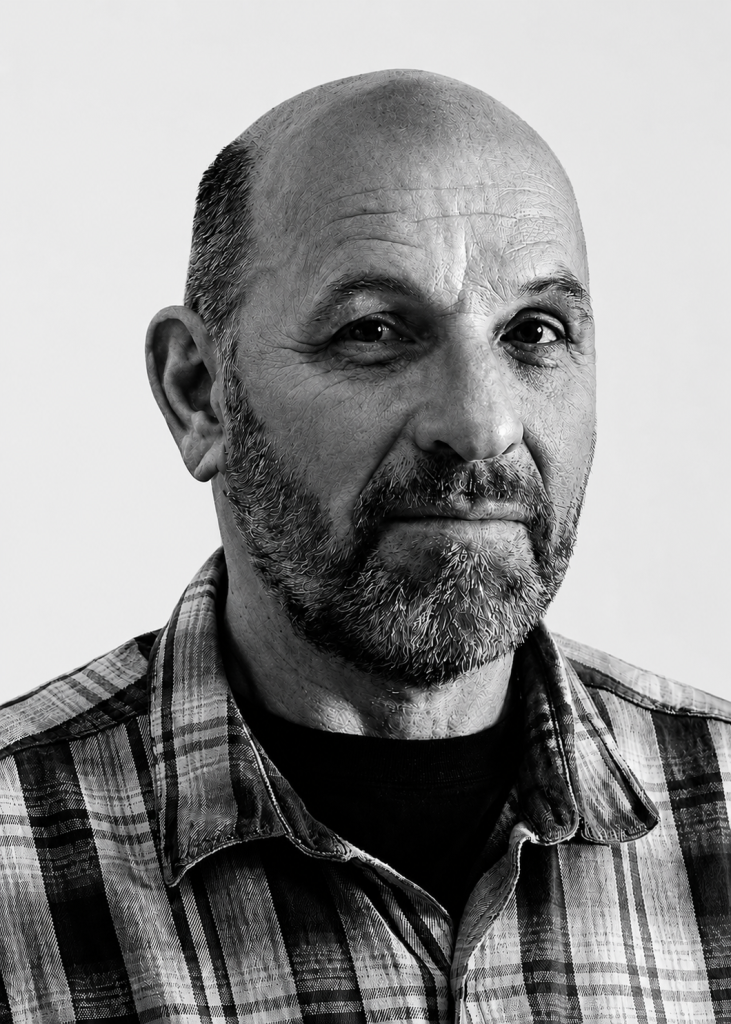
Among the leading painters of the late twentieth and early twenty-first centuries, Peter Doig occupies a unique position. At a time when conceptual art dominated much of the international art world, Doig demonstrated that painting could remain innovative, emotionally complex, and culturally relevant. His richly layered landscapes, mysterious figures, and cinematic compositions challenge the traditional boundaries between memory, imagination, and reality.
Rather than documenting actual places, Doig constructs visual experiences that feel simultaneously familiar and elusive. His paintings invite viewers into worlds shaped by recollection, photography, cinema, literature, and personal history, where landscapes become psychological spaces rather than geographical locations.
Today, Doig is widely regarded as one of the most influential figurative painters of his generation, with works held in major museum collections worldwide and regularly achieving record prices at international auctions.
Early Life and Education
Peter Doig was born on 17 April 1959 in Edinburgh, Scotland. His childhood was marked by frequent moves that profoundly influenced his artistic imagination. In the early 1960s his family relocated to Trinidad before settling in Canada, where Doig spent much of his youth surrounded by forests, lakes, snow-covered landscapes, and vast wilderness. These environments would later become recurring motifs throughout his paintings.
Unlike many painters whose work is rooted in direct observation, Doig became fascinated by the way memories distort places over time. The Canadian landscape remained one of his richest sources of inspiration long after he had left the country.
In 1979, Doig moved to London to pursue formal artistic training. He studied at Wimbledon School of Art, continued at Saint Martin’s School of Art, and later completed an MA in Painting at Chelsea School of Art in 1990. During this period he encountered both European painting traditions and contemporary conceptual practices, ultimately choosing to pursue painting at a moment when many critics believed the medium had reached its limits.
The Beginning of an Artistic Career
Doig emerged as a significant figure in the early 1990s. His first major breakthrough came after receiving the Whitechapel Artists Award, which led to increased recognition within the British art world. In 1993 he won first prize at the prestigious John Moores Painting Prize with Blotter, and the following year he was shortlisted for the Turner Prize. These achievements established him as one of Britain’s most promising painters.
Unlike many contemporaries who embraced installation, video, or conceptual practices, Doig remained committed to painting. His decision proved remarkably influential, contributing to the renewed international interest in figurative painting during the 1990s.
Painting Between Memory and Imagination
One of Doig’s most distinctive contributions to contemporary art is his rejection of direct representation. Although many of his paintings appear to depict recognizable landscapes, they are rarely based on direct observation.
Instead, he constructs compositions from diverse visual sources including:
- Personal photographs
- Family snapshots
- Film stills
- Newspaper images
- Postcards
- Tourist brochures
- Art historical references
These sources are transformed through multiple stages of painting until they become entirely new visual experiences rather than reproductions of reality. Doig himself has emphasized that memory plays a greater role than documentation in his creative process.
Artistic Style
Peter Doig’s paintings resist simple classification.
His work combines elements of:
- Contemporary figurative painting
- Landscape painting
- Symbolism
- Expressionism
- Romanticism
- Cinematic imagery
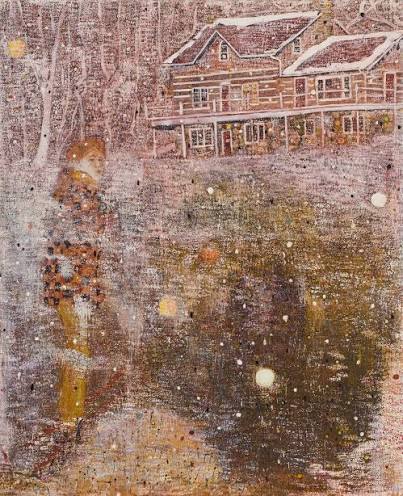
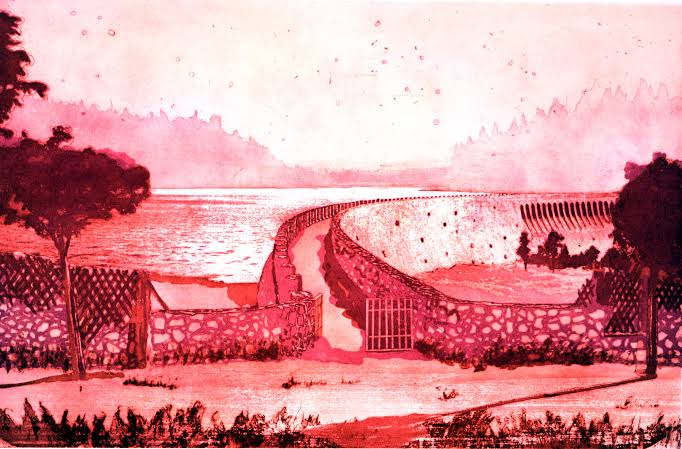
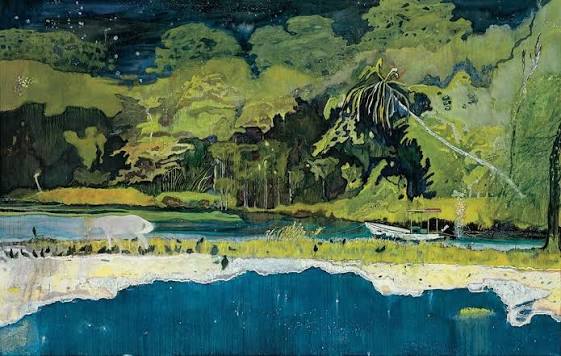
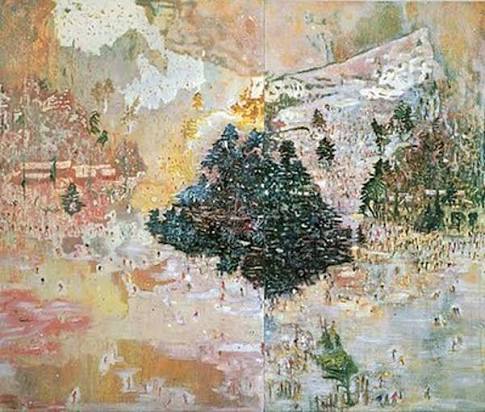
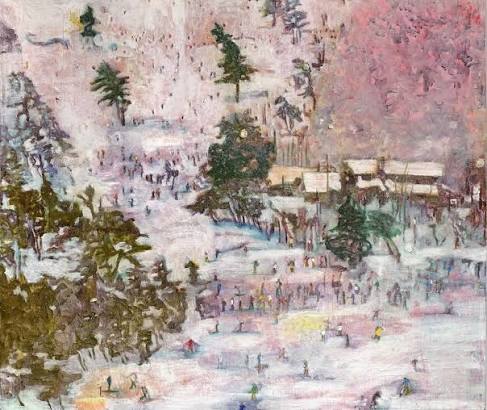
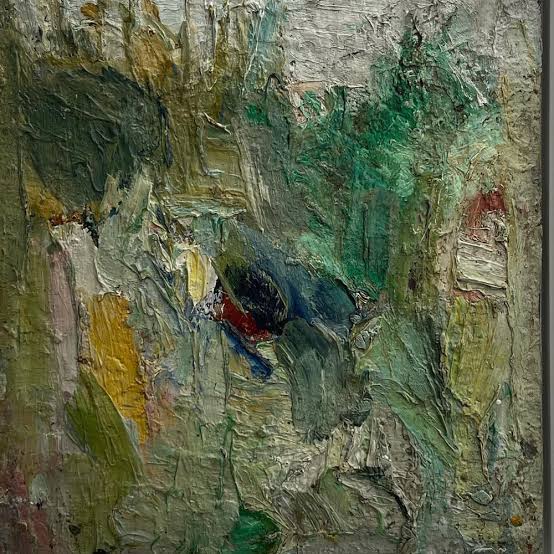
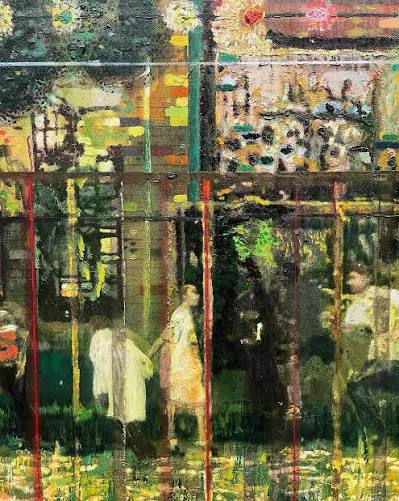
Large areas of luminous colour, layered brushwork, translucent surfaces, and shifting spatial relationships create dreamlike atmospheres where viewers often struggle to distinguish between reality and imagination.
Water, forests, snow, reflections, architecture, boats, and isolated human figures frequently appear throughout his paintings. Rather than functioning as narrative illustrations, these motifs evoke psychological states including nostalgia, solitude, uncertainty, and contemplation.
Colour plays a central role in Doig’s visual language. Vivid pinks, electric blues, luminous greens, and deep oranges transform ordinary scenes into emotionally charged environments. His paintings often seem suspended between day and night, familiarity and mystery.
Major Works
Several paintings have become landmarks of contemporary art.
White Canoe (1990–91)
Inspired by a photograph of a canoe floating on still water, White Canoe exemplifies Doig’s ability to transform an ordinary image into an enigmatic meditation on isolation and memory. In 2007 the painting sold for more than $11 million, establishing a record at the time for a living European artist.
Blotter (1993)
Winner of the John Moores Painting Prize, Blotter depicts a solitary figure emerging from water. The painting demonstrates Doig’s fascination with ambiguous narratives and atmospheric colour.
Swamped (1990)
One of Doig’s best-known canoe paintings, Swamped combines dense vegetation, reflections, and luminous colour into an almost mythical landscape. It later achieved more than $25 million at auction, reflecting Doig’s growing international reputation.
The Architect’s Home in the Ravine (1991)
Inspired by modernist architecture in Toronto, this painting merges landscape and architecture into a haunting vision of isolation and mystery. It is considered one of the defining works of contemporary landscape painting.
Trinidad and a New Direction
In 2002 Doig relocated to Trinidad, beginning one of the most significant phases of his career. The Caribbean transformed his visual vocabulary.
Snow-covered forests gradually gave way to:
- Tropical vegetation
- Caribbean architecture
- Coastal landscapes
- Musicians
- Carnival culture
- Local communities
Yet despite these new subjects, the essential quality of his work remained unchanged. His paintings continued to explore memory, atmosphere, and emotional experience rather than documentary realism.
During this period Doig also served as Professor of Painting at the Kunstakademie Düsseldorf, one of Europe’s most respected art academies, where he influenced a new generation of painters.
International Exhibitions
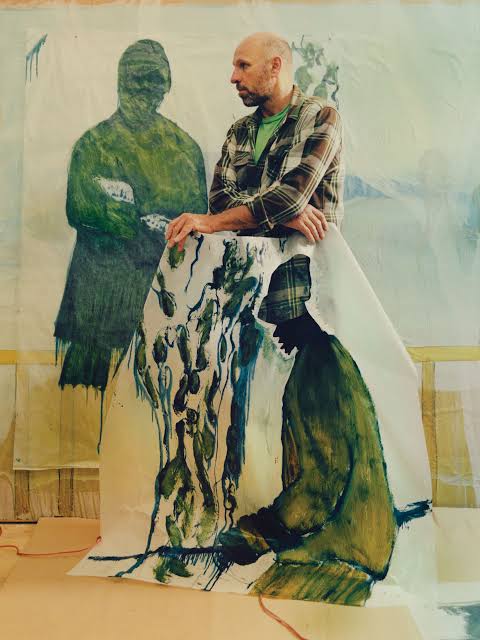
Over the past three decades Doig has been the subject of numerous museum exhibitions across Europe, North America, and Asia.
Major exhibitions have been organized by institutions including:
- Tate Britain
- Scottish National Gallery
- Fondation Beyeler
- Musée d’Art Moderne de Paris
- The National Museum of Modern Art, Tokyo
- Musée d’Orsay
His work is also represented in the permanent collections of major museums including the Museum of Modern Art (MoMA), Tate, and many international public collections.
The Art Market
Few contemporary painters have experienced market success comparable to Peter Doig.
Beginning in the early 2000s, his paintings repeatedly broke auction records, with several works selling for tens of millions of dollars. Despite these extraordinary prices, Doig has often expressed discomfort with the commercialization of contemporary art, emphasizing that painting should remain a space for imagination rather than financial speculation.
Influence and Legacy
Peter Doig has played a pivotal role in the revival of figurative painting.
His influence extends beyond technical innovation. Younger painters have been inspired by his ability to combine abstraction and representation, memory and observation, personal history and universal emotion.
Art historians frequently identify Doig as one of the artists who demonstrated that painting could remain intellectually ambitious in the twenty-first century without abandoning beauty, craftsmanship, or emotional resonance. His work bridges historical traditions and contemporary concerns, creating images that resist fixed interpretation while remaining visually compelling.
Conclusion
Peter Doig’s career illustrates the enduring power of painting in contemporary culture. By transforming memories, photographs, films, and landscapes into poetic visual experiences, he has expanded the possibilities of figurative art.
His paintings are not simply representations of places; they are meditations on time, memory, perception, and the emotional landscapes that define human experience. Through his distinctive approach to colour, atmosphere, and narrative ambiguity, Doig has secured his place among the most important painters of the contemporary era.
References
Château Mouton Rothschild. Peter Doig.
Museum of Modern Art (MoMA). Peter Doig.
National Galleries of Scotland. Peter Doig: No Foreign Lands.
Government Art Collection. Peter Doig.
Share It