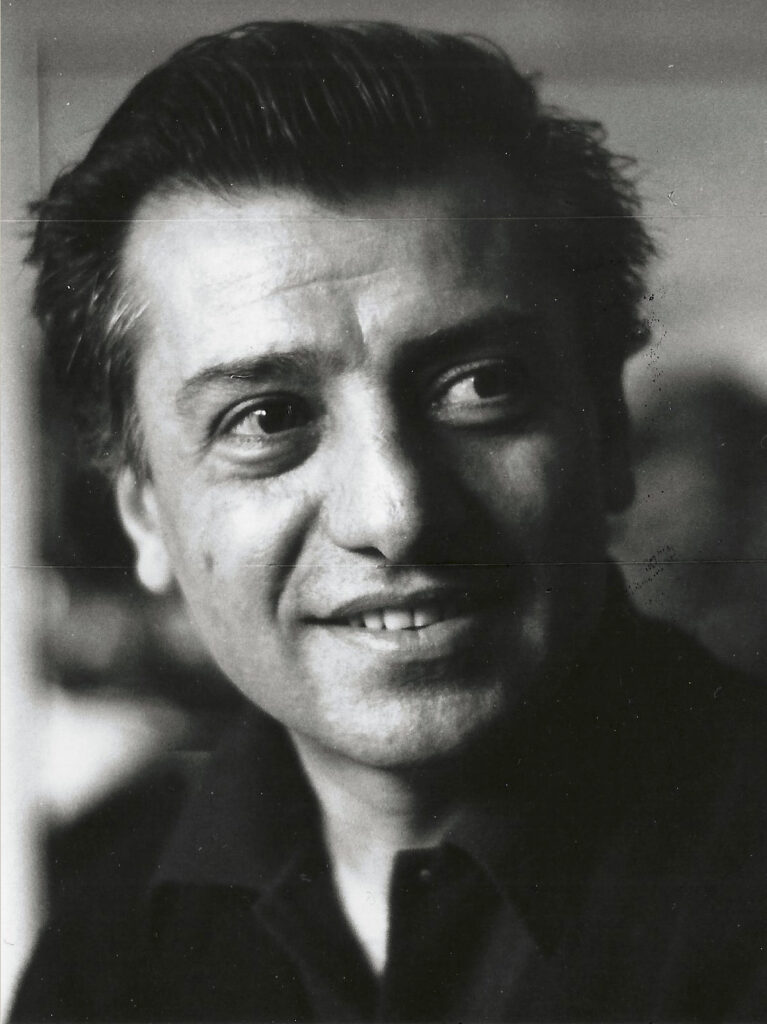
Nasser Assar (1928–2011) was an Iranian painter whose poetic, introspective, and spiritually charged works positioned him as one of the most distinctive voices of modern Iranian art. Living between Tehran, Rome, and Paris, Assar developed a unique visual language that blended Eastern mysticism with the sensibilities of European modernism, creating paintings that feel simultaneously ancient and contemporary.
Early Life and Artistic Formation
Born in Tehran, Assar showed early interest in drawing and Persian literature. After moving to Italy in the 1950s, he studied painting in Rome, where exposure to Italian modernists, post‑war abstraction, and classical art history profoundly shaped his sensibility. His eventual move to Paris placed him in proximity to the École de Paris, whose lyric abstraction resonated deeply with his poetic temperament.
Artistic Style and Themes
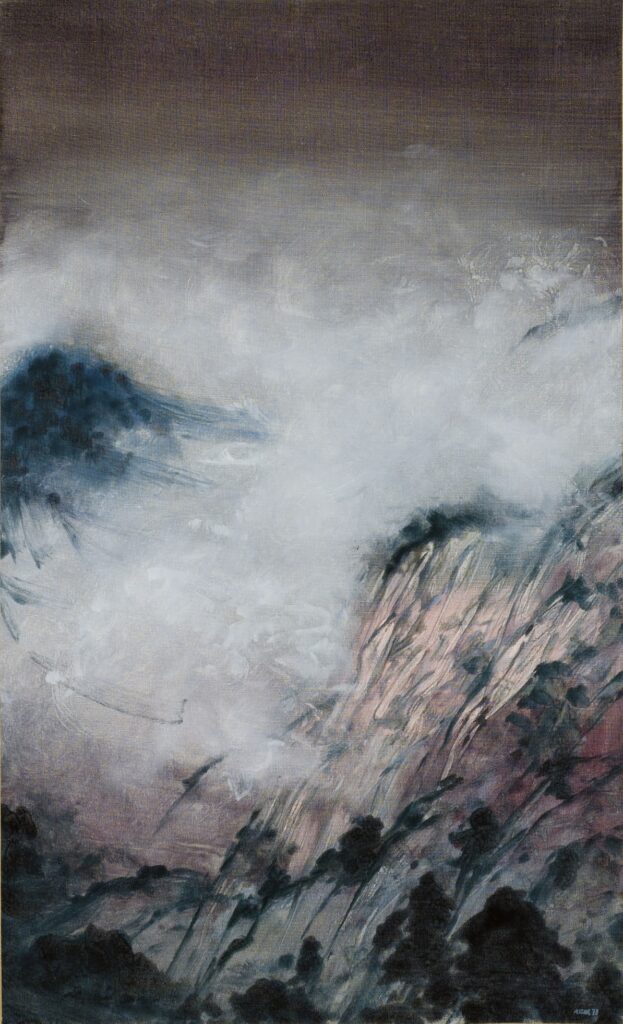
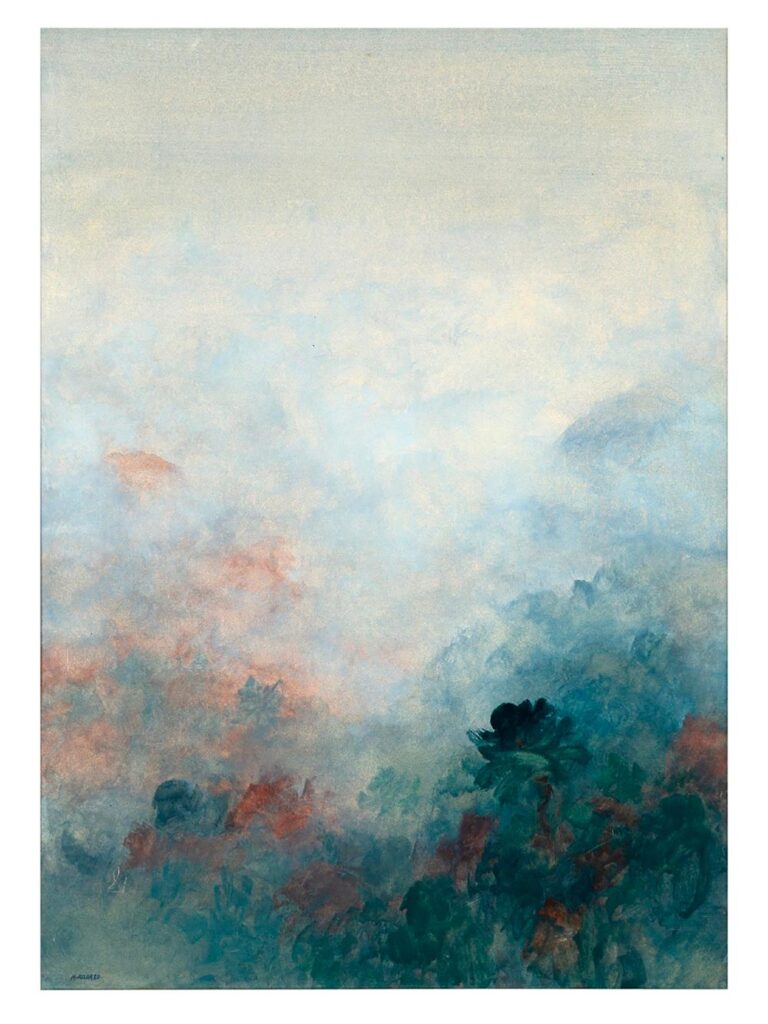
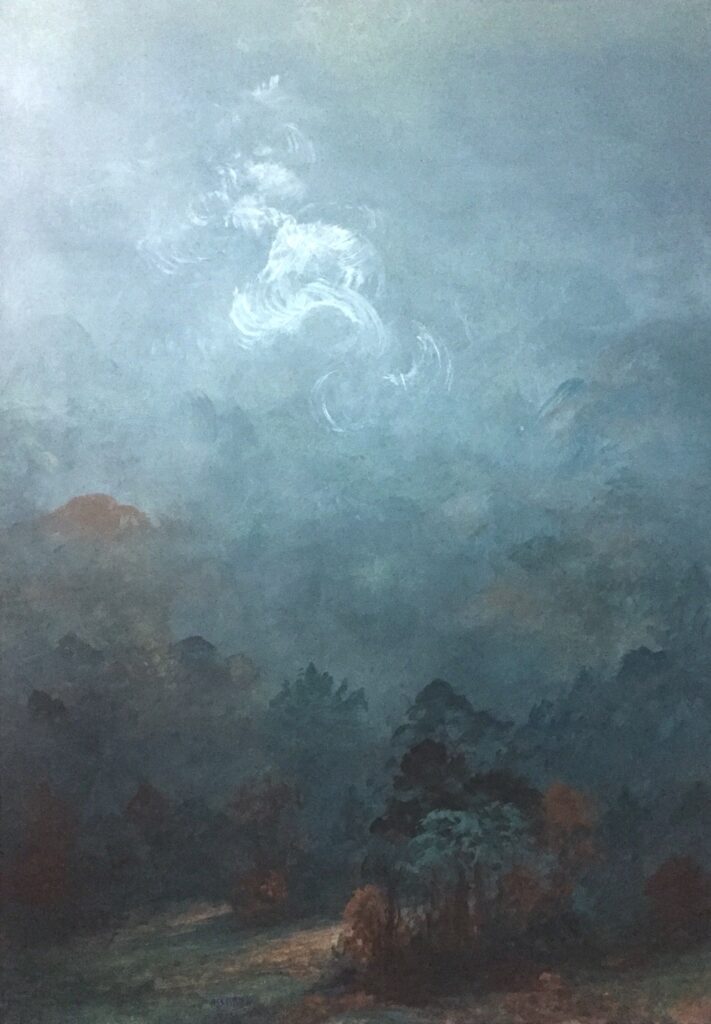
Assar’s mature work is characterized by spiritual minimalism, soft tonal gradations, and rhythmic calligraphic marks that evoke poetry, landscape, and metaphysical silence. Key elements of his style include:
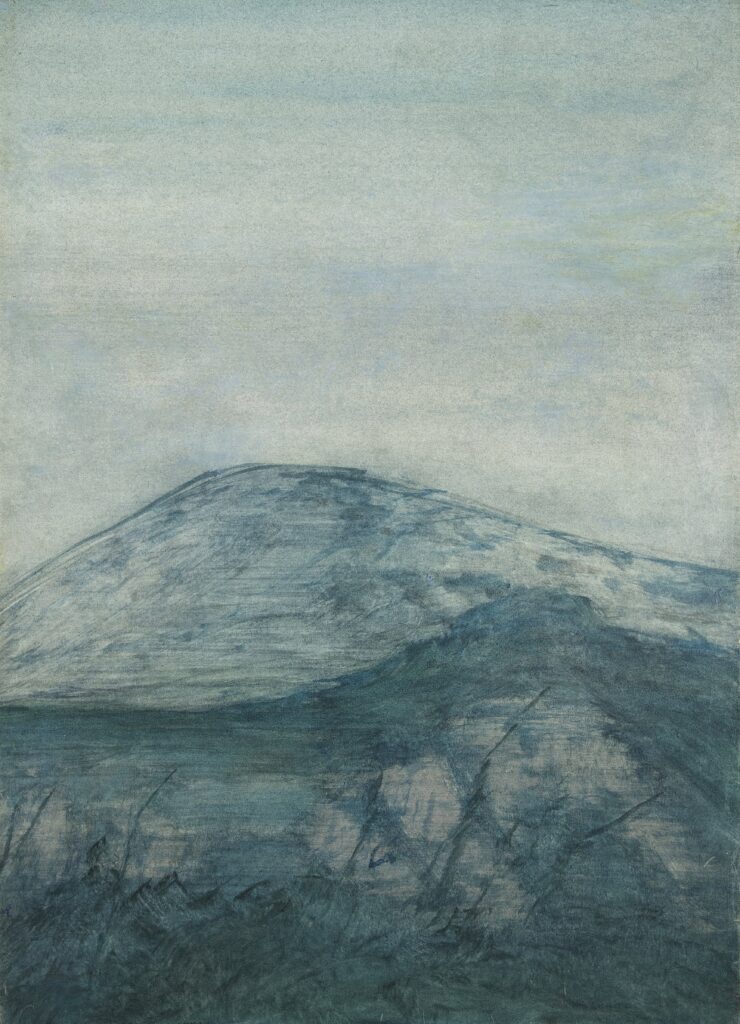
- Meditative compositions built on atmospheric fields of color
- Fine, script‑like linear gestures suggesting poetry, movement, or the residue of thought
- A dialogue between emptiness and presence, reminiscent of Persian mysticism
- A restrained palette, typically earth tones, greys, blues, and muted golds
His canvases avoid direct narrative; instead, they evoke emotional states, memory, solitude, and the inner landscape of the mind. Though often compared to lyrical abstraction, Assar’s work remains rooted in an Iranian sense of spirituality and poetic ambiguity.
Literary Influence
Persian classical poetry—particularly the works of Hafez, Rumi, and Khayyam—played a central role in shaping the philosophical framework of his art. Many of his paintings feel like visual equivalents of poetic meditation—sparse, contemplative, and rich in symbolic resonance.
Exhibitions and Recognition
Assar exhibited widely in Europe and Iran, with important solo and group shows in Rome, Paris, and Tehran. His works are held in private collections and institutional holdings dedicated to modern Iranian art. Throughout his career, he collaborated with poets, writers, and intellectuals, strengthening his position as a cross‑cultural figure bridging Iran and Europe.
Legacy
Nasser Assar is remembered for his refined, spiritual abstraction and for introducing a deeply introspective, poetic sensibility into modern Iranian painting. His legacy continues to influence artists exploring the intersection of minimalism, mysticism, and lyrical expression.
Share It